

Why do children place their trust in influencers? How can we recognise online scams? And what happens when young people turn to AI chatbots for emotional support? These were just some of the pressing questions explored during Media and Information Literacy Week 2026 in Slovakia, which brought together approximately 850 participants through 81 hours of educational activities.
From 20 to 27 October, schools, libraries, universities, public institutions and NGO´s across Slovakia joined UNESCO's global initiative, bringing media and information literacy closer to people of all ages. Through workshops, expert discussions, interactive games, lectures andeducational resources, the initiative engaged children, parents, teachers, older adults and the wider public.
For the fifth consecutive year, the national programme was coordinated by the Council for Media Services, in cooperation with members of the Media Literacy+ platform. Under this year's theme, We all play a part – Media and Information Literacy for All, the initiative highlighted a fundamental message: understanding media and digital technologies is an essential skill for everyone, regardless of age or background.
“Strengthening media literacy requires sustained, collective efforts that go beyond the capacity of any single organisation or initiative. We need to bring together people working in this field from different perspectives and, above all, ensure that their expertise, experiences and innovative ideas reach those who can put them into practice,” emphasised Viktória Norisová, Head of the Media Literacy Department at the Council for Media Services.
Bringing Media Literacy into Schools and Communities
Throughout the Week, media literacy was explored through diverse activities tailored to different audiences.
In Prešov, primary school pupils investigated information in books, compared sources and transformed their findings into an interactive exhibition for their peers. In other parts of the country, pupils explored information literacy and cyberbullying, while university students in Nitra tested their critical thinking and problem-solving skills through an escape room challenge entitled The Box of Truth.
Older adults were also among the target groups. Educational activities organised in public libraries focused on the safe use of digital technologies and navigating the online environment with greater confidence.
By reaching people in schools, libraries and community spaces, the initiative demonstrated that media literacy education is most meaningful when connected to everyday experiences. It encouraged participants to reflect on the content they encounter online, the sources they trust and the decisions they make in an increasingly complex digital environment.
When Technology Shapes Human Relationships
The challenges of today's digital world were also at the heart of two expert conferences entitled We All Play a Part, organised by the Council for Media Services on 20 October in Banská Bystrica and 27 October in Prešov.
Together, the conferences welcomed approximately 160 participants, primarily teachers, librarians, school digital coordinators and professionals working in education and child protection.
In her opening address, Dominika Moravcová, Director of the Council for Media Services, reflected on the human dimension of media literacy, drawing inspiration from Antoine de Saint-Exupéry's The Little Prince: “The fox shared a secret with the Little Prince: it is only with the heart that one can see rightly. This is something we should never forget, even in the digital world. Every day, we are surrounded by messages, photographs, comments and likes. But can we still see the person behind them? Do we recognise the child comparing themselves to an unattainable ideal? The person struggling to distinguish reliable information from disinformation? Or the loneliness concealed behind hundreds of digital friendships?
Media literacy is not merely about understanding information and technology. It is equally about the values that guide how we use them – empathy, respect and responsibility. Behind every online profile is a person whom our words have the power to encourage, but also to hurt.”
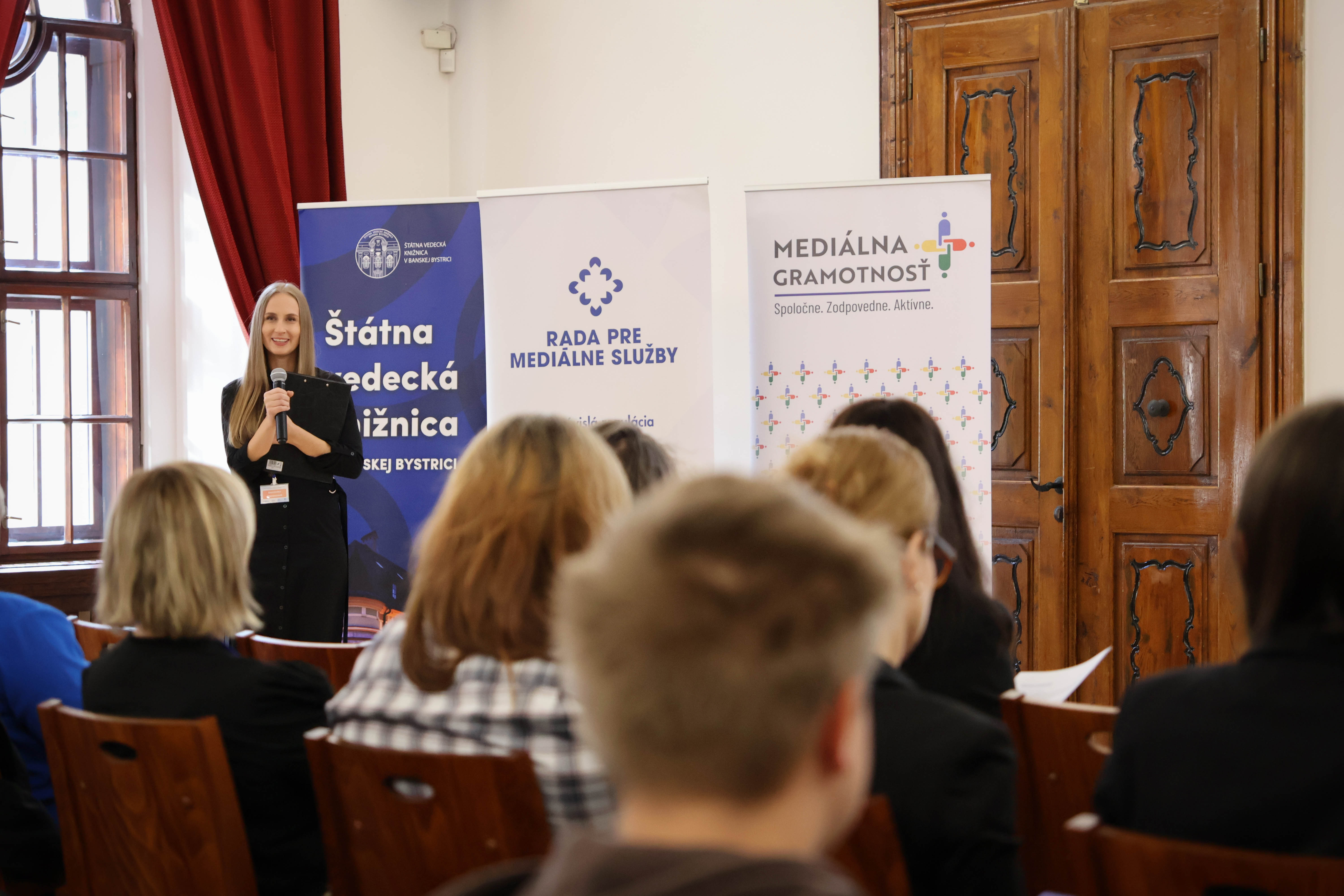
This message resonated throughout the conferences, where expert presentations and hands-on workshops explored the protection of minors in the media environment, changing educational needs and practical approaches to strengthening media literacy in schools.
Participants examined the influence of cognitive biases on decision-making, experimented with activities designed to foster critical thinking and explored opportunities for integrating artificial intelligence into teaching.
The programme brought together experts from Demagog.sk, Lietajúca ryba, Kockáči, Matej Bel University, DigiPEERS, IPčko, Tlakový hrniec, Chuť žiť, and the 5PEŇAZÍ financial education programme of the National Bank of Slovakia.
The discussions addressed some of the most pressing challenges facing children and young people today: why they increasingly seek emotional support and understanding from AI chatbots, how social media influence their perceptions of their own bodies, and how financial literacy can help them navigate the digital environment more safely.
One particularly important topic was the pressure created by unrealistic beauty standards promoted on social media.
Organisation Taste for Life (Chuť žiť), who facilitated workshops at the conference in Prešov, drew attention to the impact of idealised online images on young people's body image and self-esteem.
Its workshops offered practical guidance on discussing appearance and body image sensitively, avoiding potentially harmful language and recognising situations in which someone may be struggling with an eating disorder
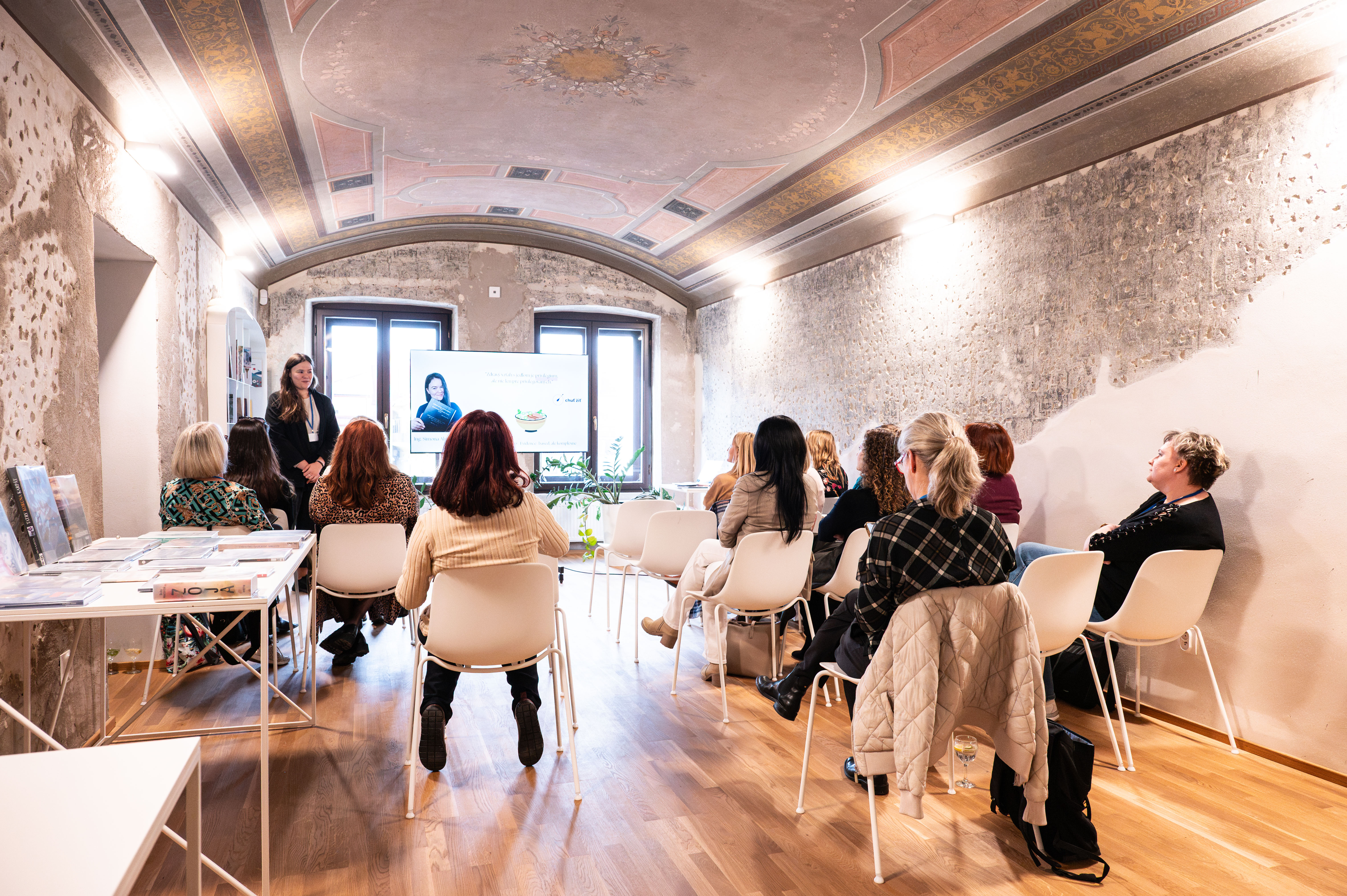
The conferences received highly positive feedback - particularly valued the practical relevance of the workshops, the expertise of the trainers, opportunities for professional exchange and educational resources.
Who Influences Our Children?
The discussion about children's experiences in the digital environment extended beyond the conference venues.
On 22 October, the Council for Media Services along with the National Coordination Centre against Violence against Children, organised an online educational session entitled Who Influences Our Children?
During the session, Viktória Norisová and Michal Hradický of the Council for Media Services explored the growing influence of online personalities on children's opinions, values and purchasing decisions.
They examined the strategies influencers use to attract attention, build credibility and establish relationships of trust with young audiences.
Parents, educators and other participants gained insights into recognising commercial content and advertising in influencer posts, understanding the rules governing content creators, and engaging children in open, constructive conversations about the personalities and content they follow online.
The session highlighted the importance of helping children understand not only what influencers communicate, but also the commercial interests and persuasive techniques that may lie behind their content.
Education session: Who Influences Our Children?
Extending the Conversation Online
Media and information literacy messages also reached wider audiences through social media campaigns and online educational content.
The Ministry of Education published practical resources for schools addressing the recognition of disinformation, critical evaluation of online content, digital well-being and the responsible use of artificial intelligence.
Building on Media and Information Literacy Week, the Ministry also launched an awareness campaign on cyberbullying, providing educational materials to help schools identify potentially harmful behaviour and address sensitive issues with pupils.
The National Bank of Slovakia, through its 5PEŇAZÍ financial education programme, focused on raising awareness of financial fraud in the digital environment.
Its social media activities included an interactive scam simulator, enabling users to test their ability to recognise fraudulent situations, alongside practical advice on protecting themselves from online scams.
Students from the University of Prešov also contributed to the initiative by developing a series of social media posts exploring contemporary digital challenges, including artificial intelligence and its influence on how people perceive, interpret and engage with information in everyday life.
These activities demonstrated how digital platforms themselves can become valuable channels for promoting media literacy, encouraging reflection and reaching audiences beyond traditional educational settings.
Building on the Momentum: Resources for the Future
One of the outcomes of Media and Information Literacy Week is a freely accessible online collection of educational resources, developed by the Council for Media Services in cooperation with members of the Media Literacy+ platform.
The collection brings together methodological guides, educational videos, worksheets and interactive games designed to help teachers, librarians and parents address topics such as digital habits, media and information literacy, artificial intelligence and the critical evaluation of online content.
These resources remain available throughout the year, supporting the integration of media literacy into everyday teaching, educational programmes and community activities.
Media and Information Literacy Week 2026 demonstrated that meaningful progress depends on cooperation, shared expertise and sustained engagement. By connecting institutions, educators, civil society organisations and communities, the initiative helped translate the principles of media literacy into practical experiences relevant to people's everyday lives.
Above all, it reinforced a simple but essential message: building a more informed, resilient and responsible digital society is a shared endeavour – and everyone has a part to play.
Further information, highlights from the Week and additional educational inspiration are available through the Media Literacy+ platform's social media channels: Facebook, Instagram and LinkedIn.